Assessment
Private ADHD assessment for children
A full diagnostic assessment of attention, impulsivity and hyperactivity, carried out to NICE guideline NG87 - with a written report you can take to school, your GP and the NHS.
Need help deciding what's right for your child?
Start with a free 15-minute call with Healthcare4Kids.
Tell us what's concerning you, ask any initial questions and we'll help you understand which of our services may be appropriate for your child.
What parents often notice first
- Losing focus quickly, even on things they enjoy
- Homework taking hours longer than it should
- Constant movement, fidgeting or an inability to settle
- Acting or speaking before thinking it through
- Forgetfulness, lost belongings and missed instructions
- School reports that say 'capable but not applying themselves'
- Big emotional reactions that pass as quickly as they arrive
- Difficulty waiting, taking turns or managing frustration
None of these on their own mean a diagnosis. Assessment is about understanding the whole picture of your child across home, school and social life.
How we assess ADHD
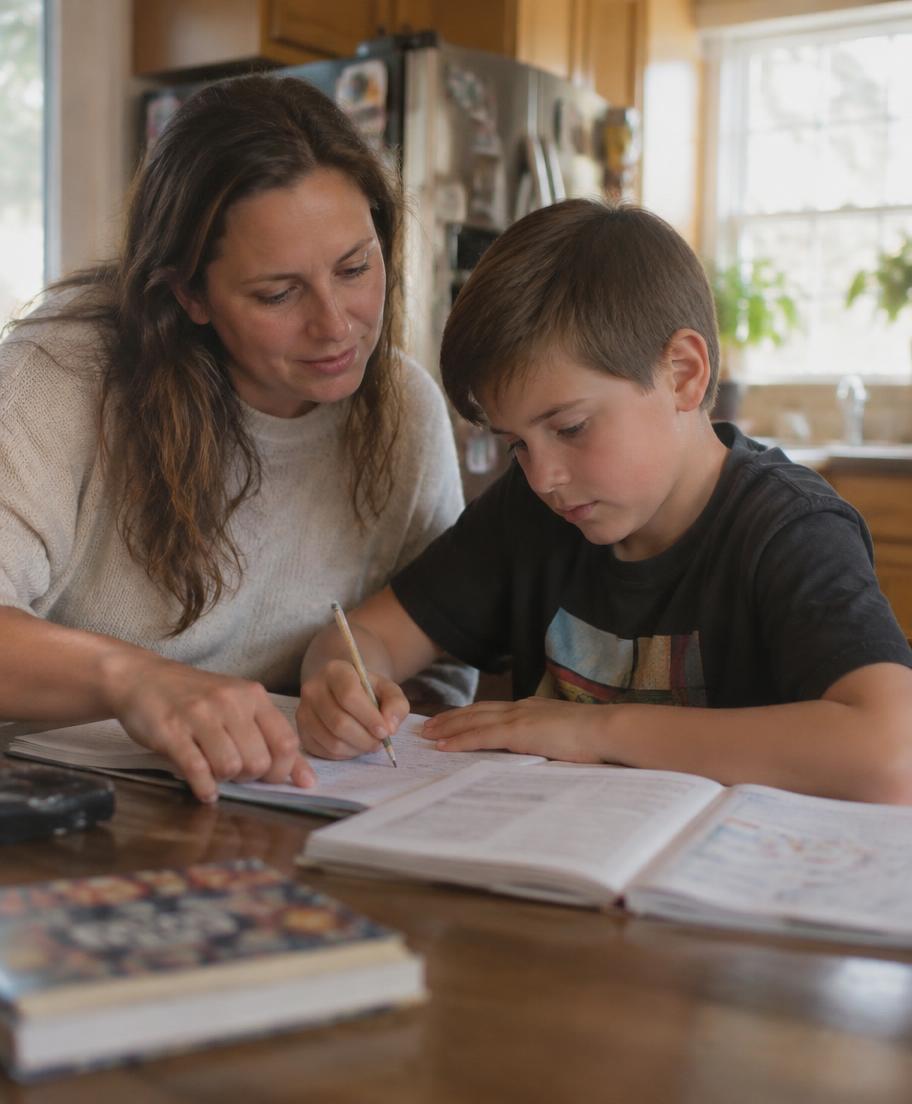
ADHD cannot be diagnosed from a single conversation or a questionnaire score. We build a picture from several directions: your child's developmental history, standardised rating scales completed by you and by school, and direct observation in clinic.
We look specifically at whether difficulties appear in more than one setting, whether they have been present over time, and how far they affect daily life. We also consider what else could explain the same picture - anxiety, sleep, learning difficulties or autism - rather than reaching for the first label that fits.
Medication and management
Diagnosis is only useful if something follows it. Where medication is appropriate we discuss the options honestly, including what it can and cannot do, then start and titrate it with regular review.
Medication is never the only answer. Your plan will also cover practical strategies for home and for school, and what reasonable adjustments to ask for.
If it isn't ADHD
Sometimes the assessment finds that ADHD is not the explanation. That is a genuinely useful outcome, and we will say so clearly and set out what we think is going on instead and who is best placed to help.
QbCheck: an objective ADHD test
We will soon be adding QbCheck to our ADHD pathway. Tap a question below to read more.
What is QbCheck?
At Healthcare4Kids, QbCheck may be used as one part of your child's ADHD assessment. It is a computer-based assessment that provides objective information about three areas commonly associated with ADHD: attention or inattention, activity or hyperactivity, and impulsivity. It combines a computer task with technology that measures movement while the task is being completed.
Does QbCheck diagnose ADHD?
No. QbCheck does not diagnose ADHD on its own. It provides objective information to support your child's ADHD assessment, but it is not a standalone diagnostic test. The results are considered alongside all other assessment information and the clinician's overall clinical evaluation before reaching a diagnostic conclusion.
What does QbCheck measure?
Attention: how consistently your child is able to concentrate and respond during the computer task. Impulsivity: their pattern of responses during the task, including incorrect responses. Activity: movement during the assessment, measured using the computer's camera. The results can then be compared with data from people of the same age and biological sex, including people with ADHD and people without ADHD.
What happens during QbCheck?
Your child completes QbCheck using a computer with a webcam. Symbols are presented on the screen and your child is asked to respond to particular symbols, while the webcam tracks their movement. Importantly, this isn't a school test and there is no pass or fail. It measures attention, impulse control and activity rather than knowledge or academic ability, and does not depend on language, reading or mathematical skills.
How should I prepare my child for QbCheck?
We recommend completing QbCheck when your child is well rested, calm and comfortable, somewhere quiet where they are unlikely to be disturbed, and able to complete it without unnecessary interruptions. For home testing, use a laptop with a built-in webcam and an internet connection; smartphones and tablets aren't suitable. Allow at least 30 minutes overall for preparation and completion. The computer task itself takes approximately 15 or 20 minutes, depending on age.
How should we set up the room?
Choose a quiet room where your child will not be disturbed. We recommend a firm chair that doesn't swivel, have wheels or armrests. For children under 12, we recommend a stool that doesn't swivel and has no armrests or backrest. If your child is under 18, an adult should be present during the test.
What happens to the results?
The results give the clinician objective information about your child's performance during the assessment. The clinician interprets these findings alongside the wider clinical information collected during your child's ADHD assessment; the QbCheck result should not be interpreted in isolation. The purpose is to help build a more complete picture of your child's strengths, difficulties and ADHD-related symptoms before reaching a clinical conclusion.
Can QbCheck also be used during treatment?
Yes. QbCheck can be repeated to provide objective information that may help clinicians evaluate response to ADHD treatment. We describe follow-up QbChecks as supporting evaluation of treatment effectiveness.
What if my child thinks they did badly?
Please don't worry. There is no pass or fail. The task is intended to measure attention, activity and impulse control rather than your child's intelligence or academic ability.
What happens if we're interrupted?
An interrupted test can be restarted at a more appropriate time when further interruption can be avoided.
Should my child take their ADHD medication before QbCheck?
For a child already receiving ADHD medication, follow the instructions given specifically by the Healthcare4Kids clinical team.
How the assessment works
- 01
Get in touch
Send a short enquiry describing your concerns. We'll tell you which type of appointment fits, or say honestly if we're not the right service.
- 02
Pre-assessment information
We gather developmental history, school observations and standardised questionnaires before you come in, so clinic time is spent with your child.
- 03
Clinic appointment
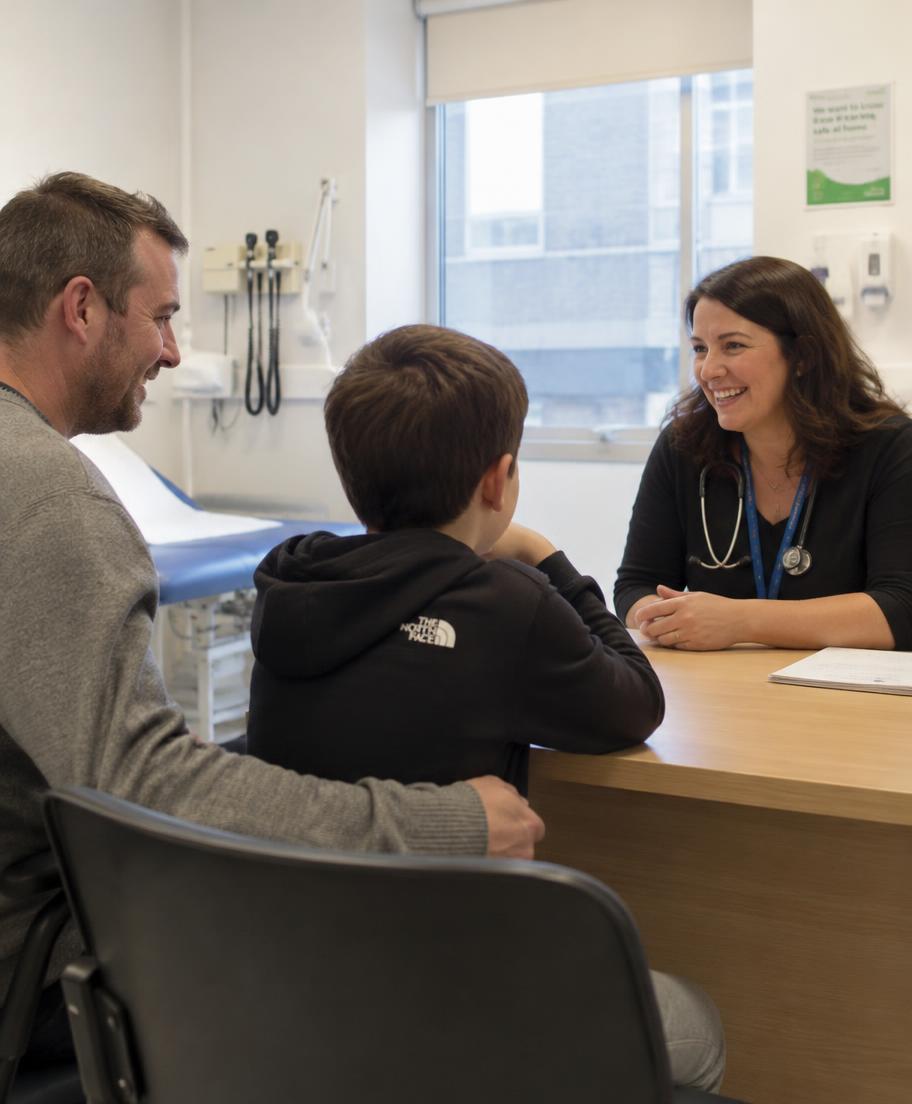
An unhurried consultation at our Leamington Spa clinic with direct observation and time for both you and your child to be heard.
- 04
Diagnosis explained
Findings are explained in plain language on the day - what they mean, what they don't, and what happens next.
- 05
Written report
A full diagnostic report you can share with school, your GP and the NHS, written to NICE standards.
- 06
Treatment plan, if you go ahead
Where treatment or medication is appropriate, we review, titrate and support rather than discharge you at diagnosis.
Common questions
How old does my child need to be?
We assess children and young people up to 18. The approach differs with age - a six-year-old and a sixteen-year-old need very different conversations - so tell us your child's age when you enquire.
Will school accept the diagnosis?
Reports are written to NICE guideline NG87. A report of this standard should be accepted by your child's school and by the NHS, and is commonly used to support requests for classroom adjustments.
Can you prescribe and manage medication?
Yes. Where medication is clinically appropriate we can start it, adjust the dose over time and review progress, rather than diagnosing and discharging.
Could my child have autism as well?
It is common for both to be present. If the picture suggests it, a combined autism and ADHD assessment looks at the two together and usually gives a clearer answer than assessing them separately.
Other services
Autism assessment
A structured autism (ASD) diagnostic assessment drawing on school information, developmental history and direct observation of your child.

Combined autism & ADHD
Both assessments carried out together, so overlapping traits are considered side by side rather than in two separate journeys.
Adopted child specialist assessment
A specialist assessment for adopted children, considering early life experiences alongside autism, ADHD and emotional wellbeing.

Anxiety & mental health
Assessment and ongoing management of anxiety, low mood and emotional wellbeing in children and young people.

Talk to us about your child
Tell us a little about your concerns and we'll advise on the right type of appointment - there's no obligation to book.
ADHD assessments, autism assessments and combined ASD/ADHD assessments are all currently bookable.
- Phone
- 01926 624 235